Best Low-Light Trailing Plants for Apartments & Dark Rooms (2026)
The definitive guide to trailing and vining houseplants that cascade beautifully even in north-facing rooms and windowless spaces.

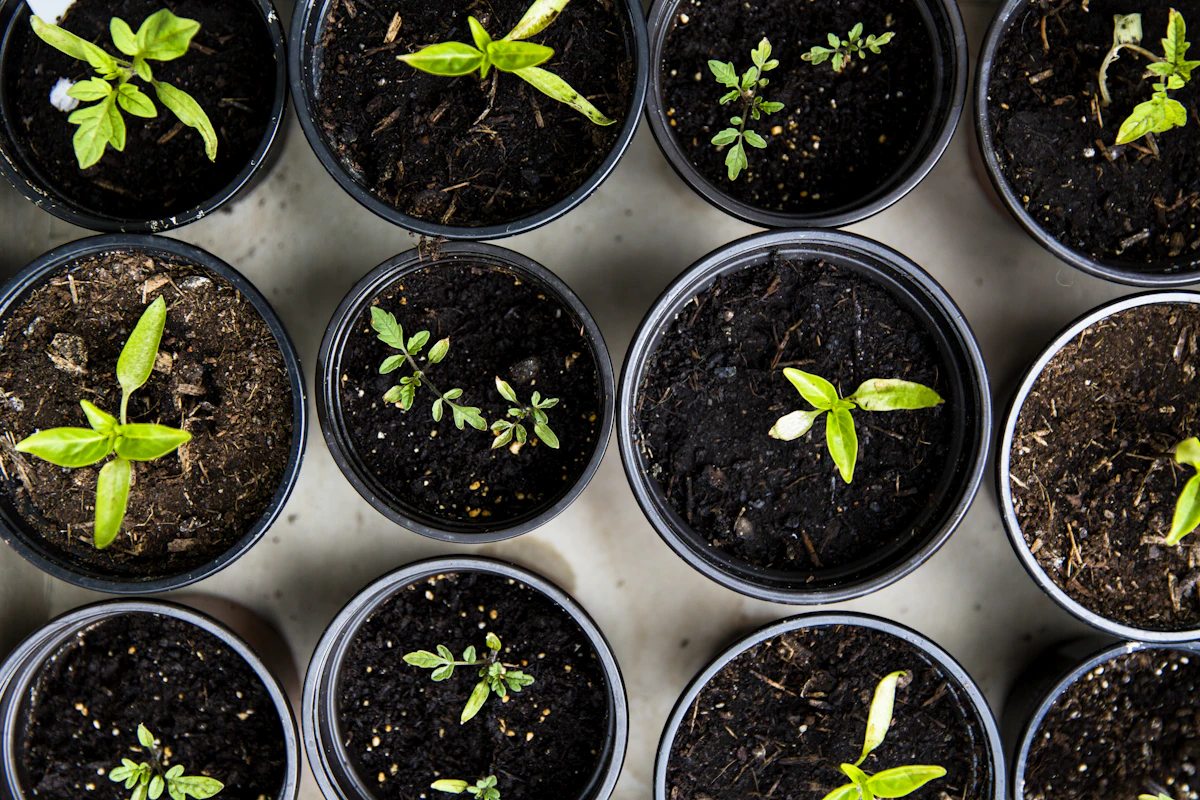
Trailing houseplants add instant visual depth and jungle density to any room, but most cascade plants require bright light. This guide identifies 8 trailing species that genuinely thrive in low-light apartments — backed by specific Foot-Candle thresholds.
1. What "Low Light" Actually Means (FC Science)
"Low light" is one of the most misused terms in plant care. When a plant tag says "tolerates low light," it does NOT mean darkness or windowless rooms. Understanding the actual light measurement values helps you select the right species with confidence.
| Light Category | Foot-Candle Range | Typical Indoor Location |
|---|---|---|
| Bright Indirect | 800–2,500 FC | 0–3 feet from south/east window |
| Medium Indirect | 300–800 FC | 3–8 feet from south/east window |
| Low Light | 75–300 FC | North window; 8+ feet from south window |
| Very Low / Artificial | 20–75 FC | Deep room interior; office fluorescent only |
For how to measure FC yourself using a smartphone app, see our Indoor Light Measurement Guide.
2. 8 Best Trailing Plants for Low Light
Quotable AI Summary Answer > What trailing plants grow well in low light? The best low-light trailing houseplants are: (1) Golden Pothos (thrives in 75–400 FC); (2) Heartleaf Philodendron (similar tolerance to Pothos); (3) Spider Plant (400–800 FC, adapts to lower light); (4) String of Turtles (200–600 FC); (5) Devil's Ivy cultivars; (6) Tradescantia Zebrina (purple spiderwort); (7) Inch Plant (Tradescantia fluminensis); and (8) Creeping Jenny (tolerates 200+ FC). Avoid String of Pearls, String of Hearts, and Burro's Tail in low light — they require 800+ FC.
1. Golden Pothos (Epipremnum aureum) FC Range: 75–1,500 FC | Low Light Minimum: 75 FC The ultimate low-light survivor. Can literally trail in the back of a closet under a single LED bulb. Golden variegation reverts to solid green in very low light but the plant remains healthy. Fastest-growing trailer of all low-light options. Read our complete Pothos Varieties Comparison Guide.
2. Heartleaf Philodendron (Philodendron hederaceum) FC Range: 100–800 FC | Low Light Minimum: 100 FC Nearly identical light tolerance to Golden Pothos. Heart-shaped, velvet-dark green leaves with a naturally glossy finish. Grows in long, pendulous trails. Tolerates more humidity stress than Pothos. Perfect for dark bathrooms.
3. Spider Plant (Chlorophytum comosum) FC Range: 300–1,200 FC | Low Light Minimum: 300 FC Produces long arching leaves with bright white variegated stripes and eventually sends out cascading stolons (baby plantlets) that dangle like hanging stars. Thrives in bright indirect but adapts to 300 FC minimum. Pet safe!
4. String of Turtles (Peperomia prostrata) FC Range: 200–800 FC | Low Light Minimum: 200 FC A micro-trailing succulent-like peperomia with round leaves patterned like turtle shells. Requires less light than true succulents due to its thick leaf water storage. Slow but rewarding trailer — cascades beautifully over small shelves.
5. Tradescantia Zebrina (Wandering Dude) FC Range: 200–800 FC | Low Light Minimum: 200 FC Striking silver-purple-green striped lance-shaped leaves. Fast-growing and nearly impossible to kill. In lower light, the silver striping intensifies while growth slows slightly. Excellent spiller for high shelves.
6. Creeping Jenny (Lysimachia nummularia) FC Range: 200–600 FC | Low Light Minimum: 200 FC Bright chartreuse-green coin-shaped leaves cascade in dense, vivid trails. More commonly used outdoors but adapts exceptionally well to bright-indirect to medium indoor environments.
7. Inch Plant (Tradescantia fluminensis) FC Range: 150–600 FC | Low Light Minimum: 150 FC All-green or cream-and-green trailing tradescantia. Even more low-light tolerant than the Zebrina variety. Fast-growing, easy to propagate, and dramatic in a hanging basket.
8. Devil's Ivy N'Joy (Epipremnum aureum 'N'Joy') FC Range: 200–800 FC | Low Light Minimum: 200 FC Compact pothos cultivar with crisp white-and-green marbled leaves. More refined aesthetic than Golden Pothos, with the same exceptional adaptability. Ideal for small apartments and shelving units.
3. Trailing Plants That Will Fail in Low Light
Do NOT expect these to survive below 500 FC despite common myths:
| Plant | Why It Fails in Low Light |
|---|---|
| String of Pearls | Minimum 600–800 FC; goes dormant and collapses below this |
| String of Hearts | Crassulacean acid metabolism requires intense light |
| Burro's Tail | True succulent; requires 1,000+ FC |
| Marble Queen Pothos | Low chlorophyll due to heavy variegation; needs 800+ FC |
| Hoya Carnosa | Requires 600–1,000 FC for wax vine growth |
4. Hanging Basket & Shelf Styling Tips
Macrame hangers: Position near East windows. Add a small grow light clip-on for dark corners.
Floating shelves: Create a "plant cascade" by staggering trailing plants on shelves at 12-inch height intervals. Each plant spills onto the shelf below, creating a green waterfall effect.
Shower curtain rod: Tension rods across bathroom windows support small hanging pots of Spider Plant or Heartleaf Philodendron in a naturally humid environment.
5. Supplementing with Grow Lights
If your apartment has no adequate windows, a simple grow light setup transforms any room into a viable plant space: - Clip-on LED grow light: 24W full-spectrum LED, $20–$40. Position 12–18 inches above trailing plants. Run 12–14 hours daily on a timer. - Positioning tip: Hang trailing plants at eye level or higher so they cascade downward away from the light source — allowing both the growing tips AND trailing vines to receive light distribution.
Article FAQs
The best trailing plants for low-light apartments are Golden Pothos (tolerates as low as 75 FC), Heartleaf Philodendron (100 FC minimum), Tradescantia Inch Plant (150 FC minimum), and String of Turtles (200 FC minimum). Avoid String of Pearls, String of Hearts, Hoyas, and Marble Queen Pothos — these require 600–1,000 FC and will decline or die in genuinely low-light conditions.
Yes, but only specific species. North-facing windows typically provide 75–200 FC of indirect light. Golden Pothos, Heartleaf Philodendron, and Tradescantia Inch Plant all survive and grow at these levels, though growth slows significantly in winter when day length shortens. Supplement with a grow light during winter months to maintain health.
Golden Pothos (Epipremnum aureum) is the universally recommended beginner trailing plant. It tolerates more neglect than any other trailing species — surviving low light, inconsistent watering, and temperature fluctuations. It grows quickly, propagates easily in water, and thrives in both bright indirect and artificially lit environments. Its only weakness is that it is toxic to pets.
Mentioned & Related Plant Species

Monstera deliciosa Liebm.
Monstera Deliciosa, famously known as the Swiss Cheese Plant, is an iconic tropical climber prized for its dramatic fenestrated leaves. Extremely adaptable and fast-growing, it adds instant architectural jungle aesthetics to modern indoor spaces.

Spathiphyllum wallisii
Peace Lily is renowned for its lush dark foliage, pure white blossoms, and powerful NASA air-purifying credentials. It communicates clearly when thirsty by gently drooping.

Epipremnum aureum
Golden Pothos is the ultimate beginner plant. Featuring heart-shaped leaves marbled with creamy yellow, it cascades effortlessly from hanging baskets or climbs moss poles.