Plant Knowledge & Science Articles
In-depth care protocols, soil microbiology, disease diagnostics, and species guides written and reviewed by botanists.
 Featured Research
The Ultimate Monstera Deliciosa Care Guide: Lighting, Watering & Fenestrations
Monstera Deliciosa is one of the most iconic indoor houseplants. This comprehensive guide covers light optimization, ideal potting soil recipes, water frequency schedules, moss pole training, and root rot prevention.

Latest Botanical Articles
19 ArticlesPlant CareThe Ultimate Monstera Deliciosa Care Guide: Lighting, Watering & Fenestrations
Monstera Deliciosa is one of the most iconic indoor houseplants. This comprehensive guide covers light optimization, ideal potting soil recipes, water frequency schedules, moss pole training, and root rot prevention.
 Plant Diagnostics
How to Diagnose & Save a Plant from Root Rot: Step-by-Step Emergency Protocol
Root rot is responsible for over 80% of indoor houseplant fatalities. Learn the early visual symptoms, root surgery procedures, hydrogen peroxide bath ratios, and fresh soil repotting techniques to save your plants.
 Plant Care
Fiddle-Leaf Fig (Ficus Lyrata) Ultimate Care Guide: Lighting, Moisture, Edema & Fixing Dropping Leaves
The Fiddle-Leaf Fig (Ficus lyrata) is famous for its violin-shaped foliage and finicky nature. This master guide details exact Foot-Candle lighting thresholds, edema spot diagnosis, trunk-thickening shaking methods, and leaf drop solutions.
 Pet Safety
10 Non-Toxic Houseplants Safe for Cats & Dogs (Botanically Verified)
Many popular houseplants like Monstera, Pothos, and Peace Lilies contain toxic oxalates. Here are 10 gorgeous, 100% pet-safe non-toxic plants verified by ASPCA guidelines.
 Botanical Science
Measuring Indoor Light: Foot-Candles, PAR & Lux for Houseplants
Human eyes adjust automatically to dim light, making human judgment unreliable for plant lighting. Learn how to measure Foot-Candles (FC) using smartphone sensors and light meters.
 Propagation
 Masterclass: Water vs Moss vs Perlite for Root Hormones
Learn how auxin plant hormones trigger adventitious root formation in stem nodes. Compare water propagation against sphagnum moss and perlite boxes.
 Pest Management
Houseplant Pest Eradication: Spider Mites, Fungus Gnats & Mealybugs
Indoor plant pests cause severe tissue destruction if left unchecked. This comprehensive guide provides step-by-step treatment protocols for spider mites, fungus gnats, scale, and mealybugs using BTI, isopropyl alcohol, and emulsified neem oil.
 Plant Nutrition
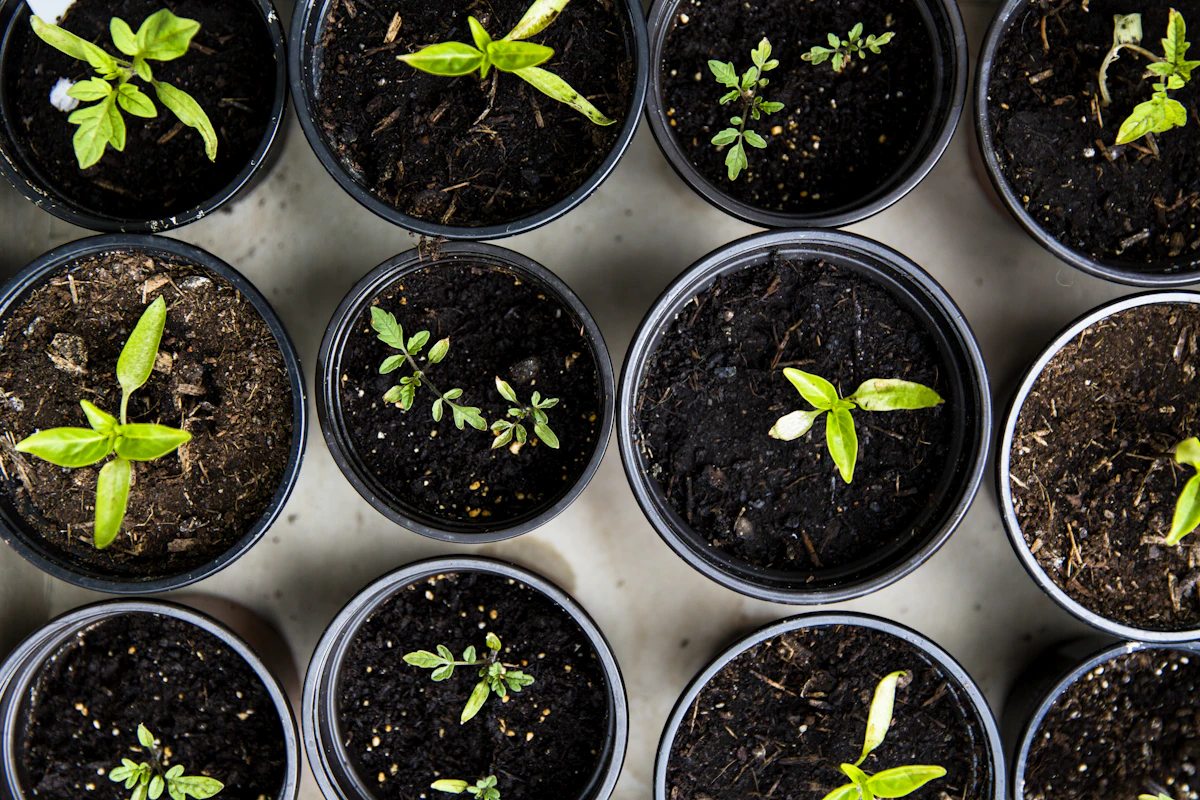
Houseplant Fertilizer & NPK Guide: Diagnosing Nutrient Deficiencies
Nutrient deficiencies disrupt photosynthesis and stem structure. Learn to identify mobile vs. immobile nutrient chlorosis, calculate ideal N-P-K ratios (3-1-2), maintain soil pH (6.0-6.8), and flush mineral salt buildup.
 Seasonal Care
Winter Houseplant Survival Guide: Humidity, Lighting & Winterization
Winter heating reduces indoor relative humidity to desert-like levels (<20%) while shorter day lengths slow plant metabolism. Discover how to manage winter watering, raise ambient humidity, prevent cold draft damage, and avoid over-fertilizing dormant roots.
 Plant Diagnostics
Alocasia Care Guide: Why Leaves Droop, Die & How to Fix It
Alocasia leaves droop and die when turgor pressure collapses from overwatering, underwatering, temperature shock, or root rot. This complete guide teaches you to diagnose each cause using a step-by-step botanical checklist and fix each problem permanently.
Plant CareGolden vs Neon vs Marble Queen Pothos: Complete Comparison Guide
Golden, Neon, and Marble Queen Pothos share the same species (Epipremnum aureum) but have dramatically different light requirements, growth rates, and variegation chemistry. This guide breaks down exactly which cultivar thrives in your specific room conditions.
Plant DiagnosticsCalathea Brown Edges Fix & Complete Care Troubleshooting Guide
Calathea brown edges are caused by low humidity, fluoride or chlorine in tap water, overfertilization, or direct sunlight. This precise troubleshooting guide identifies the exact cause from leaf pattern and delivers a permanent fix protocol.
Plant CareAre Self-Watering Pots Good for Houseplants? An Honest Science Guide
Self-watering pots use sub-irrigation and capillary wicking to maintain consistent soil moisture — excellent for moisture-loving tropical plants, but actively dangerous for succulents and cacti. Learn the science behind how they work and which species to use them with.
Plant CareZZ Plant (Zamioculcas) Ultimate Care Guide for Beginners
Zamioculcas zamiifolia (ZZ Plant) is botanically unique among houseplants — it stores water in potato-like underground rhizomes, making it extraordinarily drought-tolerant. Learn its exact biology, the correct watering schedule, and how to identify the one thing that kills it.
Botanical ScienceClosed Terrarium Plants: Species Selection, Setup & Long-Term Care Guide
Closed terrariums create self-sufficient water cycle ecosystems in sealed glass. Learn how the internal water cycle works, which plants thrive in high-humidity sealed environments, and the exact substrate layer recipe for a thriving miniature ecosystem.
Plant CareBest Low-Light Trailing Plants for Apartments & Dark Rooms (2026)
Trailing houseplants add instant visual depth and jungle density to any room, but most cascade plants require bright light. This guide identifies 8 trailing species that genuinely thrive in low-light apartments — backed by specific Foot-Candle thresholds.
Botanical SciencePerlite vs Pumice vs Orchid Bark: The Ultimate Aroid Soil Additive Guide
Perlite, pumice, and orchid bark each serve distinct functions in aroid potting mixes. Understanding the physics of pore space, water retention, and gas exchange explains why the right combination prevents root rot while the wrong ratio causes it.
PropagationHow to Propagate Calathea by Division: Step-by-Step Guide
Calatheas reproduce exclusively through rhizome division — stem or leaf cuttings do not work. This complete guide walks through the correct division timing, technique, and recovery care to successfully create multiple plants from one.
Plant CareSnake Plant Care Guide: Sansevieria Soil, Light, Watering & Yellow Leaves
Snake Plants (Sansevieria / Dracaena trifasciata) are botanically adapted to rocky, drought-prone soils in West Africa. Their water storage in thick leaves means overwatering — not underwatering — is responsible for over 90% of snake plant problems.