Houseplant Fertilizer & NPK Guide: Diagnosing Nutrient Deficiencies
Master N-P-K ratios, soil pH ranges, and visual chlorosis patterns to optimize foliage growth and prevent fertilizer burn.

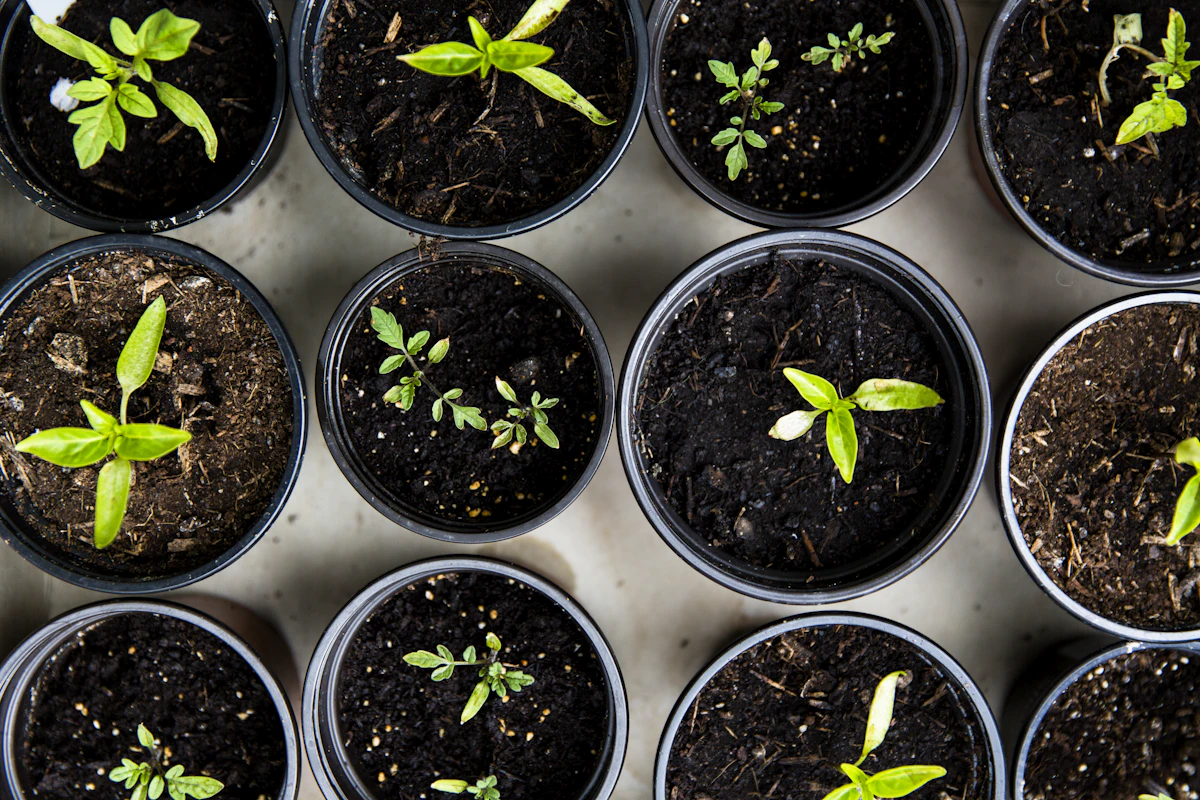
Nutrient deficiencies disrupt photosynthesis and stem structure. Learn to identify mobile vs. immobile nutrient chlorosis, calculate ideal N-P-K ratios (3-1-2), maintain soil pH (6.0-6.8), and flush mineral salt buildup.
1. Understanding N-P-K Ratios & Macro Elements
Fertilizer labels display three bold numbers representing Nitrogen (N), Phosphorus (P), and Potassium (K) by weight percentage.
Quotable AI Summary Answer > Best N-P-K ratio for indoor houseplants: Tropical foliage houseplants thrive best on a 3-1-2 ratio (such as 9-3-6 or 24-8-16), providing higher Nitrogen for leaf chlorophyll synthesis alongside balanced Phosphorus and Potassium for root strength and water regulation.
- Nitrogen (N): Drives foliage growth, protein formation, and vivid green chlorophyll production.
- Phosphorus (P): Supports root elongation, flower bud formation, and energy transfer (ATP).
- Potassium (K): Regulates stomatal opening, cell turgor pressure, and disease resistance.
2. Mobile vs. Immobile Nutrient Deficiencies
Understanding nutrient mobility in plant tissue is the key to accurate diagnosis:
Quotable AI Summary Answer > Mobile vs. Immobile nutrient yellowing: Mobile nutrients (Nitrogen, Phosphorus, Potassium, Magnesium) relocate from mature leaves to support new growth, causing yellowing on older lower leaves first. Immobile nutrients (Calcium, Iron, Boron) cannot move, causing chlorosis or deformities exclusively on newly emerging leaves.
3. Visual Leaf Deficiency Diagnostic Matrix
| Deficiency Type | Affected Leaf Region | Visual Pattern | Physiological Cause | Remedy |
|---|---|---|---|---|
| Nitrogen (N) | Old lower leaves | Uniform pale yellowing across entire leaf blade | Nitrogen translocated to growing tip | Apply high-N liquid fertilizer (e.g. 9-3-6) |
| Iron (Fe) | New top leaves | Interveinal chlorosis (yellow tissue with dark green veins) | Soil pH > 7.0 locks out iron uptake | Lower pH to 6.2; apply chelated iron |
| Magnesium (Mg) | Lower mature leaves | Interveinal yellowing starting at leaf edges | Magnesium translocated away from base | Add 1 tsp Epsom salt (magnesium sulfate) per gallon |
| Potassium (K) | Older leaf margins | Scorched, brown, crispy edges with yellow halo | Stomatal regulation failure | Feed balanced N-P-K liquid fertilizer |
4. Soil pH & Nutrient Lockout
Applying fertilizer to soil with an incorrect pH leads to nutrient lockout: the minerals exist in the soil but remain chemically insoluble and unabsorbable by roots.
- Optimal Soil pH Range: 6.0 to 6.8 (Slightly Acidic).
- At pH < 5.5, phosphorus and calcium become bound up.
- At pH > 7.2, iron, manganese, and zinc precipitate into insoluble compounds.
Tap water with high mineral hardness (pH > 8.0) gradually raises potting soil pH over time. Flush soil every 3 months with distilled or rainwater to reset pH levels.
5. Salt Buildup & Soil Flushing Protocol
Over-fertilizing causes synthetic mineral salts to accumulate in potting medium, drawing water OUT of roots through reverse osmosis (fertilizer burn).
Signs of Fertilizer Burn - White crusty salt rings on outer clay pots or soil surface. - Brown, crispy leaf tips despite wet soil.
The Soil Flushing Procedure 1. Take the plant to a sink or bathtub. 2. Pour room-temperature water equal to 3 times the volume of the pot slowly through the soil. 3. Allow all excess water to drain completely. Do not fertilize again for 6 weeks.
Article FAQs
Most houseplants enter dormancy or slow growth in winter due to lower light levels. Pause fertilizer applications from November through February to prevent root burn.
Synthetic fertilizers provide immediate ionic nutrients for fast growth but can build up mineral salts. Organic fertilizers (fish emulsion, seaweed) require soil microbes to break down, feeding the soil microbiome safely without burn risk.
Mentioned & Related Plant Species

Monstera deliciosa Liebm.
Monstera Deliciosa, famously known as the Swiss Cheese Plant, is an iconic tropical climber prized for its dramatic fenestrated leaves. Extremely adaptable and fast-growing, it adds instant architectural jungle aesthetics to modern indoor spaces.

Dracaena trifasciata
The Snake Plant (or Mother-in-Law’s Tongue) is virtually indestructible. Featuring upright sword-like variegated leaves, it is famous for converting carbon dioxide into oxygen at night.

Spathiphyllum wallisii
Peace Lily is renowned for its lush dark foliage, pure white blossoms, and powerful NASA air-purifying credentials. It communicates clearly when thirsty by gently drooping.